
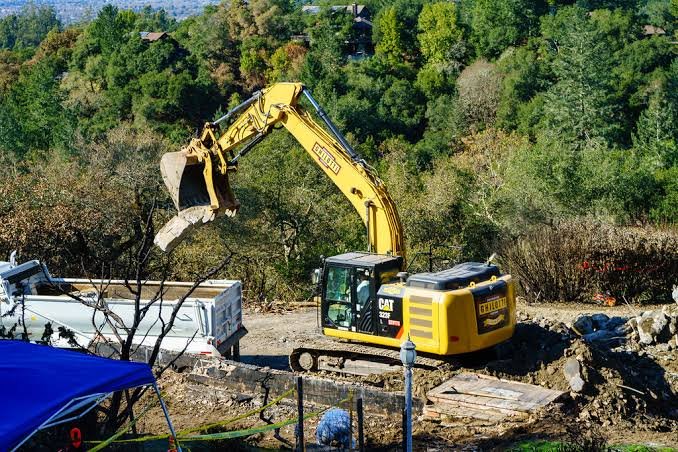
Every renovation project creates waste. Whether the work involves updating a kitchen, remodeling an office, replacing flooring, or completing a full property renovation, debris quickly accumulates throughout the process. Broken drywall, wood scraps, old fixtures, packaging materials, concrete fragments, and other construction-related waste can create challenges that affect safety, productivity, and project timelines.
Effective renovation debris removal is more than a final cleanup task. It is an essential part of project management that helps maintain an organized work environment, reduce hazards, and improve overall efficiency. Professional debris removal services allow contractors, property owners, and renovation teams to focus on the work itself instead of spending valuable time managing waste.
For homeowners and businesses undertaking renovation projects, companies such as Junk Rescue AZ help simplify the cleanup process by providing reliable debris removal solutions that keep projects moving forward.
Why Renovation Debris Builds Up So Quickly
Many people underestimate how much waste a renovation project can generate. Even relatively small improvements can produce significant amounts of debris within a short period.
Common renovation waste includes:
- Drywall and plaster
- Lumber and wood scraps
- Flooring materials
- Cabinets and countertops
- Roofing materials
- Concrete and brick fragments
- Insulation
- Packaging materials
- Metal fixtures and components
- Doors, windows, and trim
As demolition and construction progress, these materials can occupy valuable workspace and create obstacles for workers. Without a plan for removal, waste can accumulate faster than expected.
The larger the project becomes, the more important organized debris management becomes.
The Safety Benefits of Renovation Debris Removal
Safety is one of the most important reasons to prioritize debris removal throughout a renovation project.
Construction and renovation sites naturally contain hazards. When debris is allowed to accumulate, the risk of accidents increases significantly. Workers, contractors, and property owners may encounter:
- Tripping hazards
- Sharp objects
- Falling materials
- Blocked walkways
- Reduced visibility
- Fire risks from combustible waste
Maintaining a clean work environment helps reduce these risks and supports a safer job site for everyone involved.
Regular debris removal also improves emergency access. Clear pathways allow workers to move efficiently and ensure that exits remain accessible if an emergency occurs.
A cleaner renovation site often contributes to better compliance with safety practices and creates a more professional working environment.
How Debris Removal Improves Project Efficiency
One of the most overlooked advantages of professional renovation debris removal is increased productivity.
When waste materials are scattered throughout a work area, crews spend additional time navigating obstacles, relocating debris, and searching for tools or materials. These small delays can add up over the course of a project.
Consistent debris management helps teams:
- Maintain organized workspaces.
- Improve access to tools and equipment.
- Reduce interruptions.
- Increase workflow efficiency.
- Complete tasks more effectively.
An organized site allows contractors to focus on construction activities instead of cleanup responsibilities. This streamlined approach often contributes to smoother project execution and improved scheduling.
Protecting Property During Renovation
Renovation debris can damage areas beyond the active work zone if not managed properly.
Dust, sharp materials, and discarded construction waste can affect:
- Driveways
- Landscaping
- Parking areas
- Hallways
- Adjacent rooms
- Shared commercial spaces
Proper debris removal helps contain waste and minimize unnecessary damage to surrounding areas.
For commercial renovations, maintaining cleanliness is particularly important. Businesses that continue operating during renovations need to present a professional appearance while minimizing disruptions to employees and customers.
Removing debris regularly helps preserve the condition of the property and reduces the likelihood of costly cleanup efforts after the project is complete.
Environmental Considerations in Renovation Waste Management
Sustainability continues to influence construction and renovation practices across many industries.
Not all renovation debris belongs in a landfill. Many materials can potentially be recycled, repurposed, or processed through specialized waste management programs.
Examples include:
- Metal materials
- Certain wood products
- Cardboard packaging
- Concrete materials
- Some plastics
- Glass components
Professional debris removal providers often understand local disposal requirements and can help ensure materials are handled responsibly whenever possible.
Proper waste management supports environmental goals while helping property owners avoid improper disposal practices that may violate local regulations.
Signs You Need Professional Renovation Debris Removal
Some property owners initially plan to handle cleanup themselves. However, renovation projects frequently generate more waste than anticipated.
Professional services may be beneficial when:
The Volume of Debris Is Large
Major remodeling projects can create significant amounts of waste that exceed what standard residential trash collection can accommodate.
Heavy Materials Are Involved
Concrete, bricks, cabinets, countertops, and construction materials can be difficult and potentially dangerous to move without proper equipment.
Time Is Limited
Project schedules often leave little room for repeated trips to disposal facilities. Outsourcing debris removal allows renovation teams to stay focused on project completion.
Disposal Requirements Are Complex
Certain materials require specialized handling or disposal procedures. Professional providers are often familiar with these requirements and can help ensure compliance.
Best Practices for Managing Renovation Debris
A proactive approach to waste management can make any renovation project more successful.
Consider the following best practices:
Establish a Cleanup Plan Early
Debris management should be part of the project plan from the beginning. Identifying collection areas and removal schedules helps prevent waste accumulation.
Separate Materials When Possible
Sorting recyclable and non-recyclable materials may improve disposal efficiency and support sustainability efforts.
Schedule Regular Removal
Waiting until the end of a project often creates unnecessary clutter. Ongoing debris removal helps maintain site organization throughout the renovation.
Keep Access Points Clear
Entrances, exits, and work areas should remain free of debris whenever possible to improve safety and workflow.
Work With Experienced Professionals
Professional removal services can help ensure waste is collected, transported, and disposed of efficiently while reducing the burden on contractors and property owners.
The Cost of Ignoring Debris Management
Failing to address renovation waste promptly can create several challenges.
Potential consequences include:
- Project delays
- Increased safety risks
- Reduced productivity
- Property damage
- Additional labor costs
- Negative impressions on clients or visitors
In some cases, excessive debris can even interfere with inspections or prevent contractors from completing certain phases of work efficiently.
The cost of poor debris management often exceeds the investment required for professional removal services.
Why Debris Removal Is an Essential Part of Every Renovation
Successful renovation projects require more than skilled construction work. Organization, safety, and efficiency all contribute to achieving project goals.
Effective renovation debris removal supports each of these areas by helping maintain clean workspaces, reducing hazards, improving productivity, and ensuring waste is handled responsibly. Whether the project involves a residential remodel or a large commercial renovation, debris management should be viewed as a core component of the overall project strategy.
By addressing waste throughout the renovation process rather than waiting until the end, property owners and contractors can create safer, more productive environments that support better project outcomes. For those seeking reliable support with renovation cleanup, Junk Rescue AZ provides professional debris removal services that help keep projects organized from start to finish.