
If your AC is struggling to cool your home or your electricity bills keep climbing, poor maintenance is often the hidden culprit. A proper HVAC maintenance guide can help you catch small issues before they turn into expensive repairs or complete system failures.
This guide covers practical, easy-to-follow maintenance steps that keep your cooling system running efficiently throughout the year, especially important during India’s long, hot summers.
Why HVAC Maintenance Matters More Than You Think
Regular maintenance isn’t just about avoiding breakdowns — it directly affects performance, energy consumption, and lifespan.
Benefits of following an HVAC maintenance guide consistently:
- Lower electricity bills through improved efficiency
- Fewer emergency repairs during peak summer months
- Extended lifespan of your AC unit
- Better indoor air quality
Neglecting maintenance often leads to gradual performance decline that many homeowners don’t notice until the system fails completely.
Clean or Replace Air Filters Regularly
One of the simplest yet most impactful steps in any HVAC maintenance guide is filter care.
Filter maintenance tips:
- Clean reusable filters every 2-4 weeks during peak usage
- Replace disposable filters every 1-3 months
- Check filters more frequently in dusty environments
- Never run the AC with a visibly clogged filter
(Internal link suggestion: link to “Seasonal Home Maintenance Checklist You Shouldn’t Skip”)
Dirty filters restrict airflow, forcing your system to work harder and consume significantly more energy than necessary.
Clean the Outdoor Unit and Condenser Coils
The outdoor unit often gets overlooked, but it plays a critical role in overall system efficiency.
Outdoor unit maintenance steps:
- Remove leaves, dust, and debris around the unit regularly
- Ensure at least 2 feet of clearance around the unit for proper airflow
- Gently clean condenser coils to remove dirt buildup
- Check that the unit is level and stable
A clogged or dirty outdoor unit forces the compressor to work harder, increasing wear and reducing overall efficiency.
Check Refrigerant Levels Periodically
Low refrigerant levels are a common cause of poor cooling performance, yet many homeowners don’t realize this is a maintenance issue.
Signs of refrigerant problems:
- AC runs but doesn’t cool effectively
- Ice buildup on the indoor unit or pipes
- Hissing sounds near the unit
- Higher than usual electricity bills
(Internal link suggestion: link to “How to Prepare Your Roof Before Monsoon Season”)
Refrigerant issues should always be handled by a licensed technician, since improper handling can be both unsafe and illegal in many regions.
Inspect and Clean Air Ducts
For centralized HVAC systems, duct maintenance is an important but often ignored part of any HVAC maintenance guide.
Duct maintenance tips:
- Schedule professional duct cleaning every 2-3 years
- Check for visible dust buildup at vents
- Seal any gaps or leaks in accessible ductwork
- Ensure vents aren’t blocked by furniture or curtains
Clean, well-sealed ducts improve air distribution and prevent the system from overworking to maintain temperature.
Schedule Professional Servicing Annually
While many maintenance tasks can be done yourself, professional servicing catches issues that aren’t visible during routine checks.
What professional servicing typically includes:
- Full system inspection and diagnostics
- Refrigerant level check and refill if needed
- Electrical connection and component testing
- Thorough cleaning of internal components
(Internal link suggestion: link to “Home Improvement Loan Guide: How to Finance Your Renovation”)
Scheduling professional servicing before peak summer season helps catch problems early, avoiding breakdowns when you need cooling most.
Seasonal HVAC Maintenance Checklist
Different seasons require slightly different maintenance priorities, especially in India’s varied climate.
Pre-summer checklist:
- Clean filters and outdoor unit thoroughly
- Schedule professional inspection before peak heat
- Test system performance before high-usage months begin
Post-monsoon checklist:
- Check for moisture damage or corrosion
- Clean outdoor unit of accumulated debris
- Inspect for any electrical issues caused by humidity
Following this seasonal approach ensures your system is always prepared for the upcoming demands of each season.
Signs Your HVAC System Needs Attention
Recognizing early warning signs helps you address problems before they become major repairs.
Watch for these signs:
- Unusual noises like rattling or grinding
- Inconsistent cooling across different rooms
- Increased energy bills without increased usage
- Frequent cycling on and off
- Musty or unusual odors from vents
(Internal link suggestion: link to “Water Heater Problems: Troubleshooting Guide for Homeowners”)
Addressing these signs early, as outlined in this HVAC maintenance guide, often prevents more expensive repairs down the line.
FAQs: HVAC Maintenance Guide
1. How often should I clean my AC filters? Reusable filters should be cleaned every 2-4 weeks, while disposable filters typically need replacement every 1-3 months.
2. How often should I schedule professional AC servicing? Annual servicing is generally recommended, ideally before the peak summer season begins.
3. Why is my AC not cooling properly even after cleaning? This could indicate low refrigerant levels or a mechanical issue, which requires professional diagnosis.
4. Can dirty air ducts affect my electricity bill? Yes, dirty or blocked ducts force the system to work harder, increasing energy consumption significantly.
5. Is it safe to clean the outdoor AC unit myself? Yes, basic cleaning like removing debris is safe, but refrigerant or internal component issues should be handled by professionals.
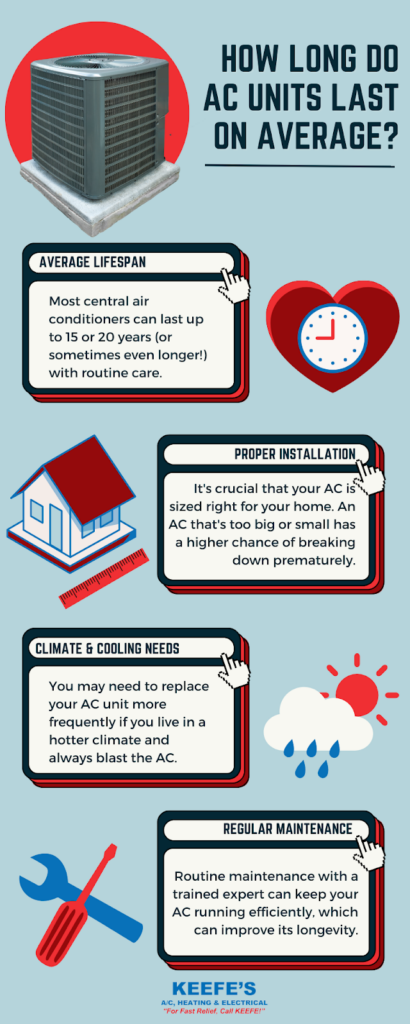
6. What’s the average lifespan of an AC unit with proper maintenance? With regular maintenance, most AC units last 10-15 years, depending on usage and unit quality.
Conclusion
Following a consistent HVAC maintenance guide is one of the most effective ways to keep your AC running efficiently while avoiding costly breakdowns. From regular filter cleaning to annual professional servicing, small consistent efforts make a significant difference in performance and longevity.
Key takeaways:
- Clean or replace filters regularly for better efficiency
- Keep the outdoor unit clear of debris and buildup
- Schedule professional servicing annually, ideally before summer
- Address warning signs early to avoid major repairs
Ready to improve your AC’s performance? Start with a simple filter check today, and schedule a professional inspection before the next peak cooling season arrives.