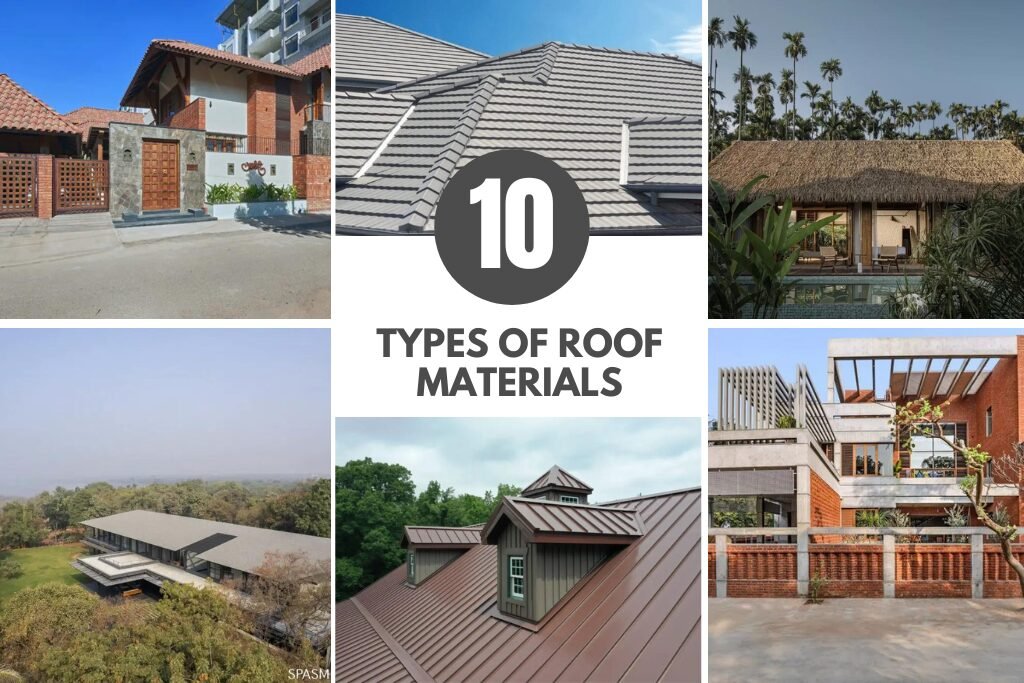
Choosing a roof isn’t just about looks — this roofing materials comparison breaks down cost, durability, and climate suitability so you can pick a roof that actually lasts.
With so many options available today, from traditional concrete to modern metal sheets, homeowners often feel overwhelmed trying to figure out which material fits their budget and local weather conditions.
This guide offers a practical roofing materials comparison across the most common options used in Indian homes, helping you weigh upfront cost against long-term performance before making a decision.
1. Why Roofing Material Choice Matters
Before diving into specific options, it’s worth understanding why this roofing materials comparison matters so much for long-term homeownership.
- Roofs account for a major share of total construction cost, often 8-12% of overall budget
- The wrong material for your climate can lead to premature repairs and higher energy bills
- A well-chosen roof can last 20-50+ years depending on material and maintenance
Getting this decision right upfront saves significant repair and replacement costs down the line.
2. Concrete (RCC) Roofing
Reinforced Cement Concrete (RCC) remains the most common roofing choice across Indian homes in this roofing materials comparison.
Pros:
- Extremely durable, lasting 50+ years with proper maintenance
- Excellent fire resistance and structural strength
- Suitable for terrace use, water tanks, and future floor additions
Cons:
- Higher upfront cost compared to sheet roofing
- Poor natural insulation — absorbs heat significantly in summer
- Requires waterproofing maintenance every 5-7 years
Best climate fit: Works well across most Indian climates but needs additional insulation in extremely hot regions.
3. Metal Roofing (GI and Colour-Coated Sheets)
Metal roofing has grown popular for its speed of installation and affordability in this roofing materials comparison.
- Galvanized Iron (GI) sheets are budget-friendly and widely used for sheds and industrial buildings
- Colour-coated steel sheets offer better aesthetics and improved corrosion resistance
- Installation is significantly faster than concrete roofing — often completed in days, not weeks
Durability: Typically lasts 25-40 years depending on coating quality and maintenance.
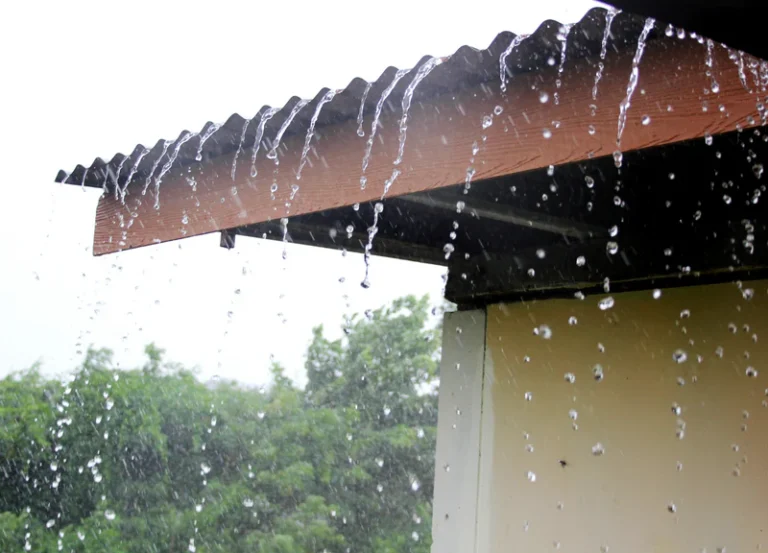
Best climate fit: Excellent for heavy rainfall areas due to water runoff efficiency, though it heats up quickly in direct sun without proper insulation.
4. Clay and Terracotta Tiles
Clay tiles bring a traditional aesthetic while performing well in this roofing materials comparison for hot climates.
- Natural thermal insulation keeps interiors noticeably cooler
- Long lifespan of 30-50 years when properly maintained
- Eco-friendly, made from natural materials without synthetic additives
Considerations:
- Heavier than metal or asphalt options, requiring stronger structural support
- More prone to cracking under heavy impact (hail, falling branches)
- Higher labor cost for installation due to individual tile placement
Best climate fit: Ideal for hot, dry regions where natural cooling properties reduce indoor temperatures significantly.
5. Asphalt Shingles
Though less common in India than in Western markets, asphalt shingles are gaining traction in this roofing materials comparison for sloped residential roofs.
- Relatively affordable compared to tile and metal options
- Available in multiple colors and styles for aesthetic flexibility
- Easier and faster to install than clay tiles
Durability: Generally 20-30 years, shorter than concrete or clay options.
Best climate fit: Performs well in moderate climates but can degrade faster under intense heat and UV exposure common in many Indian regions.
(Internal link opportunity: link to a “Metal Roof vs Shingle Roof: Which Is Better?” article here)
6. Polycarbonate and Fiberglass Sheets
For specific applications like porches, carports, and semi-covered areas, polycarbonate sheets are worth including in any roofing materials comparison.
- Lightweight and easy to install without heavy structural support
- Allows natural light through while blocking UV rays
- More affordable than permanent roofing for smaller covered areas
Limitations:
- Not suitable as primary roofing for full homes
- Shorter lifespan (10-15 years) compared to permanent materials
- Can yellow or become brittle over time with UV exposure
Best use case: Ideal for balconies, parking sheds, and garden areas rather than main house roofing.
7. Cost Comparison at a Glance
Here’s a simplified cost range to guide your roofing materials comparison decision (approximate, per sq. ft., material + installation):
- GI Metal Sheets: ₹80-150/sq ft — most budget-friendly
- Asphalt Shingles: ₹150-250/sq ft
- RCC Concrete: ₹250-400/sq ft — higher upfront but longest lifespan
- Clay/Terracotta Tiles: ₹200-350/sq ft
- Colour-Coated Steel: ₹180-300/sq ft
- Polycarbonate Sheets: ₹100-200/sq ft (for covered areas only)
Note: Prices vary significantly by region, supplier, and current material costs, so always get local quotes before budgeting.
8. Matching Roofing Material to Your Climate
The final step in any effective roofing materials comparison is matching material choice to your specific regional climate.
- Hot, dry regions: Clay tiles or RCC with reflective coating for natural cooling
- Heavy rainfall areas: Metal sheets with proper slope for efficient water runoff
- Coastal regions: Colour-coated steel with anti-corrosion treatment to resist salt air damage
- Moderate climates: Asphalt shingles offer a good balance of cost and performance
(Internal link opportunity: link to a “How to Spot Roof Damage Before It Becomes Expensive” article here)
Frequently Asked Questions
1. Which roofing material lasts the longest? RCC concrete and clay tiles typically last the longest, often 40-50+ years with proper maintenance.
2. What is the cheapest roofing material available? GI metal sheets are generally the most budget-friendly option, though they offer a shorter lifespan than concrete or tile.
3. Which roofing material is best for hot climates? Clay tiles and RCC with reflective insulation perform best in hot climates due to their natural thermal resistance.
4. Is metal roofing good for rainy regions? Yes, metal roofing’s smooth surface and proper slope make it excellent for efficient water runoff in heavy rainfall areas.
5. How often does a roof need to be replaced? Depending on material, roofs typically need replacement or major repair every 20-50 years, with concrete lasting longest.
6. Does roofing material affect energy bills? Yes — materials with poor insulation, like uncoated metal, can increase indoor temperatures and raise cooling costs significantly.
Conclusion
This roofing materials comparison shows there’s no single “best” option — the right choice depends on your budget, climate, and long-term plans for the property. Concrete offers unmatched durability, metal provides speed and affordability, while clay tiles shine in hot climates through natural cooling.
Before finalizing your roof, get quotes for at least two or three materials suited to your climate and compare both upfront and long-term maintenance costs.
Planning a roofing project soon? Use this comparison to shortlist materials that fit your budget and climate, then consult a local contractor for accurate pricing.