
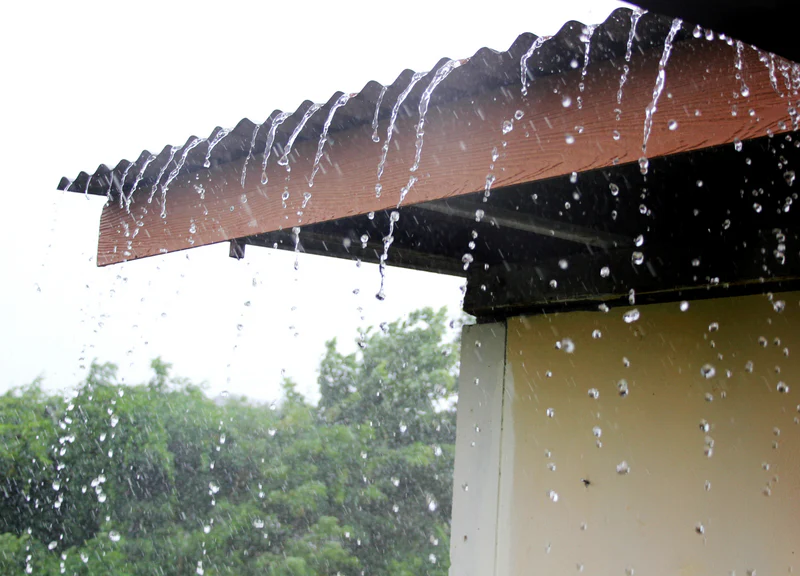
If you wait until the first heavy downpour to check your roof, you’re already too late. Learning how to prepare roof for monsoon season in advance can save you from leaks, dampness, and expensive repair bills.
Every year, thousands of homeowners deal with water seepage, cracked ceilings, and damaged interiors simply because their roof wasn’t inspected before the rains hit. Most of these issues are entirely preventable with a little planning.
This guide walks you through exactly how to prepare roof for monsoon conditions, covering inspection steps, common problem areas, and simple fixes you can complete well before the first showers arrive.
1. Why Pre-Monsoon Roof Preparation Matters
Understanding why you need to prepare roof for monsoon season helps prioritize this task before it’s too late.
- Continuous rainfall exposes even small cracks and gaps, turning minor issues into major leaks
- Water damage weakens structural integrity over time, especially in concrete (RCC) roofs
- Repairs during monsoon are harder, costlier, and often incomplete due to wet conditions
- Untreated dampness can lead to mold growth, affecting indoor air quality and health
Taking action 4-6 weeks before monsoon arrival gives repairs enough time to cure properly.
2. Inspect the Roof Surface Thoroughly
The first practical step to prepare roof for monsoon is a detailed visual inspection of the entire roof surface.
- Look for visible cracks, especially around joints and edges
- Check for bubbling or peeling paint, which often indicates trapped moisture underneath
- Examine any previous waterproofing layer for wear, thinning, or flaking
- Inspect around chimney bases, skylights, and vent pipes — common leak-prone areas
Tip: Walk the roof on a dry, sunny day and use chalk to mark any cracks or weak spots you find for easy follow-up.
3. Clean Gutters and Drainage Systems
Clogged drainage is one of the most common reasons homeowners need emergency repairs mid-monsoon, making this a critical step to prepare roof for monsoon properly.
- Remove leaves, debris, and dirt from gutters and downspouts
- Check that water flows freely toward drainage outlets without pooling
- Ensure roof slopes direct water away from walls, not toward them
- Install gutter guards if your area has heavy tree cover to reduce future clogging
Standing water on a flat roof is one of the fastest ways to develop leaks, so drainage should never be skipped.
4. Apply or Reapply Waterproofing
Waterproofing is the single most effective step to prepare roof for monsoon damage, especially for concrete roofs.
Common waterproofing options:
- Elastomeric coatings: Flexible, crack-bridging, ideal for terraces (lasts 5-7 years)
- Bituminous membranes: Durable and cost-effective for flat roofs
- PU (polyurethane) coatings: Excellent for areas prone to ponding water
- Cementitious coatings: Budget-friendly but less flexible, best for minor touch-ups
Real-world tip: Reapply waterproofing coating every 3-5 years even without visible damage, as UV exposure gradually breaks down protective layers.
(Internal link opportunity: link to a “Metal Roof vs Shingle Roof: Which Is Better?” article here)
5. Seal Cracks and Gaps Immediately
Even hairline cracks widen significantly under monsoon pressure, so sealing them is essential to properly prepare roof for monsoon conditions.
- Use polyurethane sealant for flexible, weatherproof crack filling
- Pay special attention to expansion joints, which naturally shift and crack over time
- Check where the roof meets parapet walls — this junction is highly leak-prone
- For larger cracks, consult a professional rather than attempting DIY fixes on structural gaps
Small investments in sealant now prevent significantly larger repair costs once heavy rains begin.
6. Check and Repair Roof Flashing
Flashing — the metal strips sealing joints around chimneys, vents, and skylights — is often overlooked when homeowners prepare roof for monsoon season.
- Inspect flashing for rust, gaps, or loose sections
- Reseal edges with appropriate waterproof sealant if gaps are visible
- Replace severely corroded flashing rather than patching repeatedly
- Ensure flashing overlaps correctly to direct water away from joints
Damaged flashing is one of the leading causes of hidden leaks that only become visible weeks into the rainy season.
7. Trim Overhanging Branches and Remove Debris
Often missed in monsoon prep checklists, managing surrounding vegetation is still an important part of how to prepare roof for monsoon damage from external sources.
- Trim tree branches hanging over the roof to prevent physical damage during storms
- Clear accumulated leaves and debris that trap moisture against roofing material
- Remove any loose items on terraces that could cause damage in high winds
- Check nearby drainage areas for root intrusion that may block water flow
(Internal link opportunity: link to a “Seasonal Home Maintenance Checklist” article here)
8. Schedule a Professional Roof Inspection
While many steps to prepare roof for monsoon are DIY-friendly, a professional inspection catches issues an untrained eye might miss.
- Structural engineers can assess load-bearing concerns after years of wear
- Professionals have tools to detect hidden moisture before it becomes visible damage
- Contractors can recommend the right waterproofing product for your specific roof type and climate
Recommendation: Schedule inspections at least 6-8 weeks before your region’s typical monsoon onset to allow time for repairs to cure fully.
Frequently Asked Questions
1. When should I start monsoon roof preparation? Ideally 4-6 weeks before your region’s monsoon season begins, giving enough time for repairs and waterproofing to cure properly.
2. How often should waterproofing be reapplied? Most waterproofing coatings need reapplication every 3-5 years, depending on material quality and UV exposure.
3. What are the most common causes of roof leaks during monsoon? Clogged drainage, cracked waterproofing layers, damaged flashing, and ponding water are the leading causes of monsoon roof leaks.
4. Can I waterproof my roof myself? Minor sealing and coating touch-ups are DIY-friendly, but major waterproofing work is best handled by professionals for lasting results.
5. How do I know if my roof needs waterproofing before monsoon? Signs include visible cracks, peeling paint, previous leak stains, or waterproofing coating older than 3-5 years.
6. What roofing material handles monsoon rains best? Metal roofing with proper slope handles heavy rainfall efficiently, while concrete roofs need reliable waterproofing to stay leak-free.
Conclusion
Taking time to prepare roof for monsoon season is one of the smartest investments a homeowner can make. From thorough inspections and gutter cleaning to waterproofing and flashing repairs, each step reduces your risk of costly water damage once the rains arrive.
Don’t wait for the first leak to take action — a proactive checklist now saves significant stress and expense later.
Ready to get started? Walk your roof this weekend, note any visible issues, and book a professional inspection if needed before monsoon season begins.