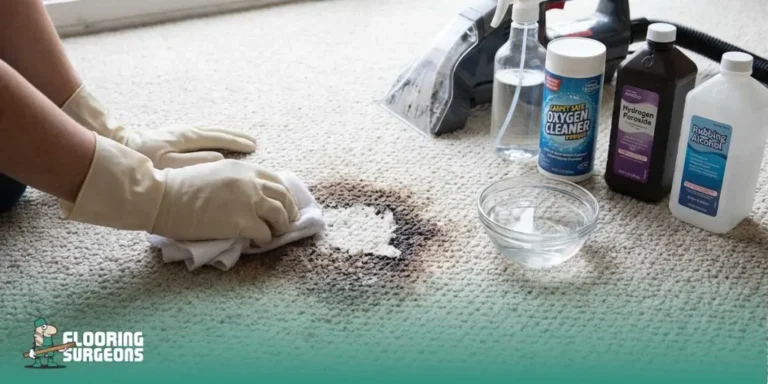

More households are rethinking what’s under their kitchen sink, and switching to eco friendly cleaning products is one of the simplest ways to reduce chemical exposure at home. Beyond environmental benefits, these products are often safer for children, pets, and anyone with sensitivities to harsh chemicals.
This guide covers practical eco-friendly options worth switching to, along with tips on what to look for and simple DIY alternatives you can make at home.
Why Switch to Eco Friendly Cleaning Products
Conventional cleaning products often contain harsh chemicals that can affect indoor air quality and overall health over time.
Key benefits of switching:
- Reduced exposure to harmful chemical fumes
- Safer for children and pets who spend time on floors and surfaces
- Lower environmental impact from packaging and ingredients
- Often gentler on surfaces, reducing long-term wear
Understanding these benefits makes the transition feel more meaningful than just a trend, especially for health-conscious households.
What to Look for in Eco Friendly Cleaning Products
Not every product labeled “natural” is genuinely eco-friendly, so it helps to know what to check before buying.
Key things to look for:
- Biodegradable ingredients that break down safely
- Plant-based or naturally derived formulas
- Minimal or recyclable packaging
- No harsh synthetic fragrances or dyes
- Certifications or transparent ingredient lists
(Internal link suggestion: link to “Deep Cleaning Checklist: Room-by-Room Guide”)
Reading ingredient labels carefully helps you avoid products that use eco-friendly marketing without genuinely eco-friendly formulations.
Best Eco Friendly Cleaning Products by Category
Different cleaning tasks require different products, and eco-friendly alternatives now exist across nearly every category.
All-purpose cleaners:
- Plant-based formulas using ingredients like citrus extracts or vinegar
Dishwashing liquids:
- Biodegradable formulas free from harsh sulfates
Floor cleaners:
- Naturally derived disinfectant options safe for various flooring types
Bathroom cleaners:
- Enzyme-based formulas that break down grime without harsh chemicals
Choosing eco-friendly options across these categories creates a more comprehensive shift toward a chemical-free home.
DIY Eco Friendly Cleaning Solutions
For those wanting an even more affordable and transparent option, making your own eco friendly cleaning products at home is surprisingly simple.
All-purpose cleaner:
- Mix equal parts white vinegar and water
- Add a few drops of lemon or essential oil for fragrance
Glass cleaner:
- Combine vinegar, water, and a small amount of cornstarch
- Wipe with a microfiber cloth for a streak-free finish
Scrubbing paste:
- Mix baking soda with a small amount of water to form a paste
- Effective for sinks, tiles, and stubborn grime
(Internal link suggestion: link to “How to Remove Tough Stains from Carpets and Upholstery”)
These DIY solutions are cost-effective, reduce packaging waste, and give you full control over what ingredients touch your home surfaces.
Eco Friendly Products for Specific Home Areas
Certain areas of the home benefit from targeted eco-friendly solutions based on their specific cleaning needs.
Kitchen:
- Plant-based degreasers for stovetops and countertops
- Reusable cleaning cloths instead of disposable wipes
Bathroom:
- Enzyme-based toilet cleaners that avoid harsh bleach
- Natural descaling solutions using vinegar for hard water stains
Laundry:
- Plant-based detergents free from synthetic fragrances
- Wool dryer balls instead of chemical fabric softeners
Matching the right product to each area ensures effective cleaning without unnecessary chemical exposure throughout the home.
Cost Comparison: Eco Friendly vs Conventional Products
One common concern is whether eco friendly cleaning products cost significantly more than conventional options.
- Store-bought eco-friendly products can cost slightly more upfront
- DIY alternatives are often cheaper than both conventional and store-bought eco products
- Concentrated eco-friendly formulas often last longer, offsetting the higher price
- Reduced packaging waste can also mean long-term savings on refills
Combining store-bought options for convenience with DIY solutions for everyday cleaning offers a balanced, budget-friendly approach.
Tips for a Smooth Transition
Switching your entire cleaning routine at once can feel overwhelming, so a gradual approach often works better.
- Start by replacing one product category at a time
- Use up existing conventional products before switching completely
- Test DIY recipes on a small area first to check effectiveness
- Keep a few DIY staples like vinegar and baking soda always stocked
(Internal link suggestion: link to “Minimalist Interior Design Tips for a Clutter-Free Home”)
This gradual approach makes the switch to eco friendly cleaning products feel sustainable rather than an overwhelming overhaul.
FAQs: Eco Friendly Cleaning Products
1. Are eco friendly cleaning products as effective as regular ones? Yes, many eco-friendly formulas are equally effective, especially for everyday cleaning tasks and light stains.
2. Are DIY cleaning solutions safe for all surfaces? Most are safe, but always test on a small hidden area first, especially for natural stone or delicate surfaces.
3. Do eco friendly cleaning products cost more? Store-bought options may cost slightly more, but DIY alternatives are often cheaper than conventional products.
4. Can eco friendly products disinfect surfaces effectively? Many plant-based and enzyme formulas offer good disinfecting properties, though results vary by specific ingredients.
5. Are eco friendly cleaning products safe for pets? Generally yes, they’re often safer than harsh chemical products, but always check specific ingredient lists for pet safety.
6. What’s the easiest eco friendly product to start with? A simple vinegar and water all-purpose cleaner is one of the easiest and most versatile options to start with.
Conclusion
Switching to eco friendly cleaning products is a practical, health-conscious choice that benefits both your home and the environment. Whether you choose store-bought options or simple DIY solutions, small changes across your cleaning routine can make a meaningful long-term difference.
Key takeaways:
- Look for biodegradable, plant-based formulas with minimal packaging
- DIY alternatives like vinegar and baking soda are affordable and effective
- Transition gradually, one product category at a time
- Combine store-bought and DIY options for a balanced approach
Ready to make the switch? Start with one simple DIY recipe this week, and gradually build a fully eco-friendly cleaning routine at your own pace.