
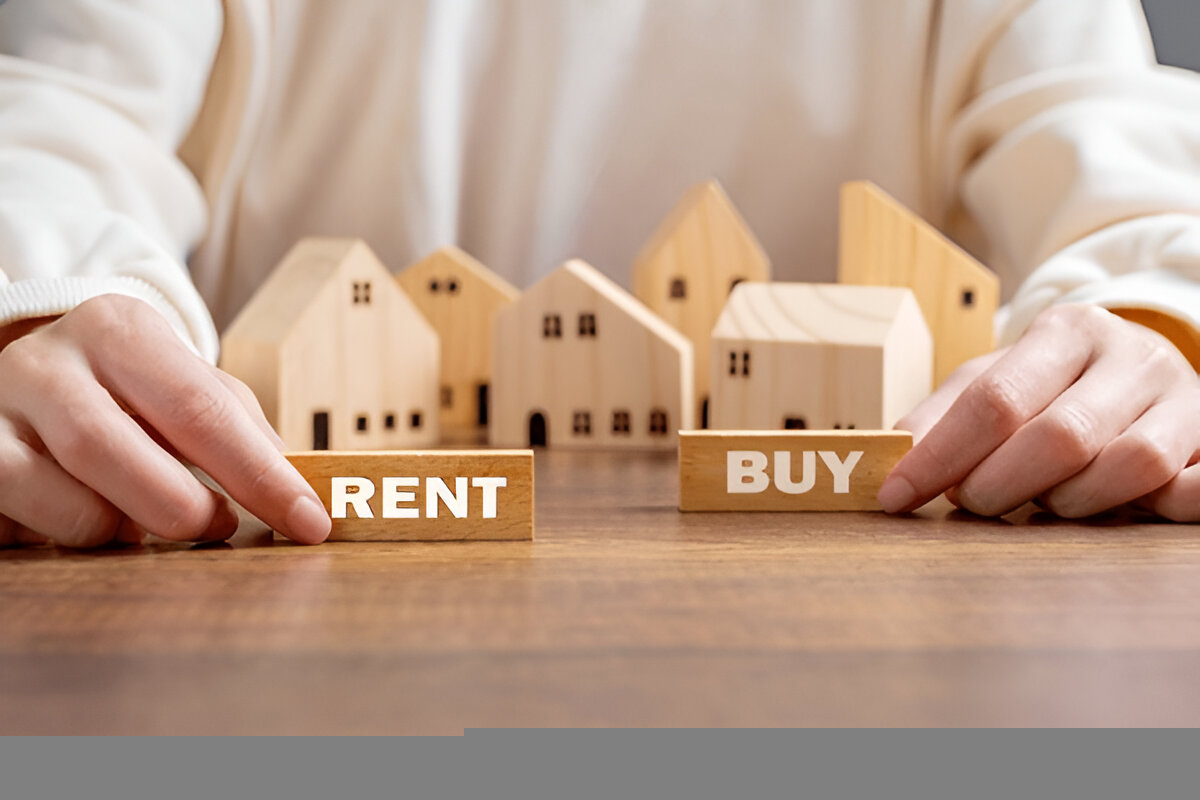
The debate over renting vs buying a home is one every household eventually faces — and there’s no one-size-fits-all answer.
Both options come with real financial trade-offs, and the right choice depends on your income stability, city, life stage, and long-term goals. What works for a young professional in a metro city may not work for a family planning to settle down.
This guide breaks down renting vs buying a home across the factors that actually matter — upfront costs, monthly expenses, flexibility, and long-term wealth building — so you can make a decision based on numbers, not just emotion.
1. Upfront Costs: What You Pay to Get Started
The first major difference in renting vs buying a home shows up before you even move in.
Renting typically requires:
- Security deposit (often 2-10 months’ rent depending on the city)
- First month’s rent in advance
- Minimal or no brokerage in some cases
Buying typically requires:
- Down payment (usually 10-20% of property value)
- Home loan processing fees
- Stamp duty and registration charges (often 5-8% of property value)
- Legal and documentation costs
Buying demands significantly more capital upfront, which is often the single biggest barrier for first-time buyers.
2. Monthly Financial Commitment
When comparing renting vs buying a home, monthly outflow is where most people focus first.
- Rent payments are generally predictable and don’t fluctuate much year to year
- EMIs (Equated Monthly Installments) on home loans are fixed but include interest, especially heavy in early years
- Homeowners also pay maintenance charges, property tax, and repair costs that renters typically avoid
Example: On a ₹50 lakh home loan at 8.5% interest over 20 years, the EMI is roughly ₹43,000/month — often higher than comparable rent in the same locality, especially in the early loan years.
3. Long-Term Wealth Building
This is where the renting vs buying a home debate often shifts in favor of buying — but only under the right conditions.
- Buying builds equity over time; each EMI payment increases your ownership stake
- Property values in growing cities have historically appreciated over 10-15 year horizons
- Renting builds no equity — the money spent doesn’t contribute to any asset ownership
However, this advantage only holds if you stay in the property long enough to offset the upfront costs and if the local real estate market appreciates steadily.
(Internal link opportunity: link to a “How Home Renovations Affect Resale Value” article here)
4. Flexibility and Lifestyle Considerations
Beyond finances, renting vs buying a home also comes down to how much flexibility you need in your life right now.
Renting offers:
- Freedom to relocate for job opportunities without selling property
- No long-term commitment to one city or neighborhood
- Easier downsizing or upgrading based on changing needs
Buying offers:
- Stability and a sense of permanence
- Freedom to renovate and personalize the space
- No risk of rent hikes or landlord-driven relocation
Young professionals early in their careers often benefit more from renting’s flexibility, while families planning to settle long-term lean toward buying.
5. Maintenance Responsibilities
An often-overlooked factor in renting vs buying a home is who handles repairs and upkeep.
- Renters typically call the landlord for major repairs (plumbing, electrical, structural)
- Homeowners are solely responsible for all maintenance costs, from minor fixes to major renovations
- Over a 10-year period, home maintenance can cost 1-2% of property value annually
This ongoing responsibility is a real cost that many first-time buyers underestimate when comparing renting vs buying a home.
(Internal link opportunity: link to a “Seasonal Home Maintenance Checklist” article here)
6. Tax Benefits of Buying a Home
One financial factor that often tips the renting vs buying a home decision is available tax benefits for homeowners.
- Home loan principal repayment qualifies for deductions under Section 80C (up to ₹1.5 lakh)
- Interest paid on home loans qualifies for deductions under Section 24(b) (up to ₹2 lakh for self-occupied property)
- First-time buyers may access additional benefits under certain government schemes
Renters don’t get equivalent tax deductions, though House Rent Allowance (HRA) can offer some relief for salaried employees.
7. Market Conditions and Timing
Your city’s real estate market plays a bigger role in renting vs buying a home than most people realize.
- In cities with rapidly rising property prices, buying earlier locks in lower costs
- In markets with high rent-to-price ratios, renting and investing the difference may yield better returns
- Interest rate cycles also affect affordability — lower rates make buying more attractive
Tip: Compare the price-to-rent ratio in your target area — a ratio above 20 generally favors renting, while below 15 tends to favor buying.
8. Making the Right Choice for You
There’s no universal winner in the renting vs buying a home debate — it depends on your specific situation.
Consider buying if:
- You plan to stay in one city for 7+ years
- You have stable income and sufficient savings for a down payment
- You value stability and long-term equity building
Consider renting if:
- Your job or lifestyle requires frequent relocation
- You’re still building savings or credit history
- You prefer flexibility over long-term commitment
Frequently Asked Questions
1. Is renting or buying a home better financially? It depends on how long you plan to stay — buying tends to build more wealth over 7+ years, while renting is often more cost-effective for shorter stays.
2. How much down payment is needed to buy a home in India? Typically 10-20% of the property value, along with additional costs like stamp duty and registration charges.
3. Does renting waste money compared to buying? Not necessarily — renting offers flexibility and avoids maintenance costs, which can offset the lack of equity building for shorter timeframes.
4. What tax benefits do homeowners get? Homeowners can claim deductions on both principal repayment (Section 80C) and interest paid (Section 24b) on home loans.
5. How long should I plan to stay before buying makes sense? Most financial experts recommend at least 5-7 years to offset upfront buying costs and benefit from equity growth.
6. Is it better to rent while saving for a down payment? Yes, many first-time buyers rent while building savings, especially in high-cost cities where a large down payment takes time to accumulate.
Conclusion
The renting vs buying a home decision ultimately comes down to your financial readiness, career stability, and long-term plans. Buying offers equity building and tax benefits but requires significant upfront capital and commitment. Renting offers flexibility and lower initial costs but no long-term asset growth.
Before deciding, calculate your city’s price-to-rent ratio, assess your savings, and be honest about how long you plan to stay put.
Still unsure which path fits your situation? Sit down with your numbers, compare both scenarios side by side, and choose the option that aligns with your financial goals and lifestyle.