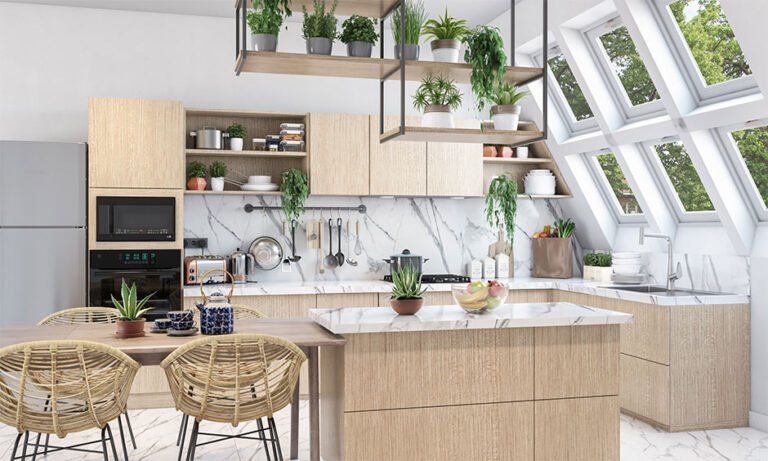
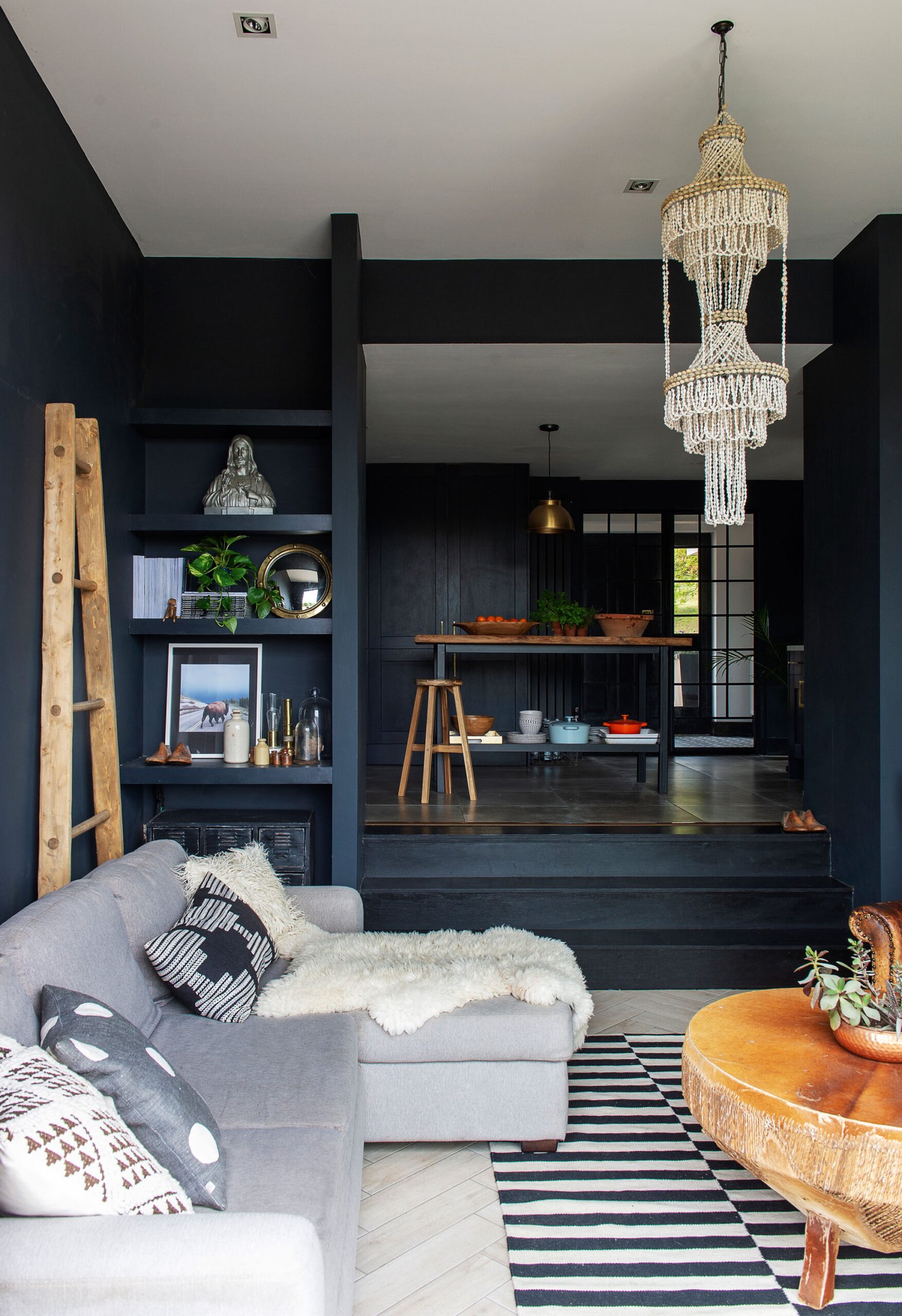
If clean lines, soft neutrals, and effortless comfort appeal to you, Scandinavian interior design might be exactly the style your home is missing.
Originating from the Nordic countries, this design philosophy has become a global favorite for its ability to feel both minimal and warm at the same time — a balance many other styles struggle to achieve. It’s practical, timeless, and surprisingly easy to adapt for Indian homes.
This guide breaks down the essential elements of Scandinavian interior design, from color palettes to furniture choices, so you can recreate this calming aesthetic in your own space, room by room.
1. The Core Philosophy Behind Scandinavian Design
Understanding Scandinavian interior design starts with its underlying principle — “hygge,” a Danish concept centered on coziness, comfort, and simplicity.
- Function always takes priority over pure decoration
- Spaces are designed to feel calm, uncluttered, and inviting
- Natural light is maximized wherever possible
- Quality over quantity guides furniture and decor choices
This philosophy explains why Scandinavian interiors feel so livable rather than sterile, despite their minimal aesthetic.
2. Light, Neutral Color Palettes
Color choice is central to authentic Scandinavian interior design, and it’s one of the easiest elements to replicate immediately.
- Whites, soft greys, and warm beiges form the base palette
- Muted pastels — dusty blue, sage green, blush pink — add subtle accent color
- Avoid bold, saturated colors that clash with the style’s calm foundation
- Use color primarily through textiles and accessories rather than large furniture pieces
Tip: If repainting isn’t an option, achieve this look through white or cream curtains, cushion covers, and rugs layered over existing wall colors.
3. Natural Materials and Textures
Warmth in Scandinavian interior design comes largely from an emphasis on natural, tactile materials throughout the home.
- Light woods like oak, pine, and birch feature heavily in furniture and flooring
- Wool, linen, and cotton textiles add softness without visual clutter
- Rattan and wicker accents bring texture to lighting fixtures and storage baskets
- Stone or ceramic accessories add grounding, organic elements
Mixing several natural textures — even within a neutral palette — prevents the space from feeling flat or one-dimensional.
(Internal link opportunity: link to a “2026 Interior Design Trends You Should Know” article here)
4. Functional, Minimalist Furniture
Furniture choice reflects the practical heart of Scandinavian interior design, favoring clean lines over ornate detailing.
- Choose furniture with simple, straight lines and minimal embellishment
- Prioritize multi-functional pieces — storage ottomans, extendable tables
- Opt for legs on furniture (sofas, cabinets) rather than boxy, floor-touching designs to create a lighter visual feel
- Avoid overcrowding rooms — leave breathing room around each piece
Real-world tip: A light-wood dining table paired with simple upholstered chairs instantly captures the Scandinavian look without requiring a full furniture overhaul.
5. Maximizing Natural Light
Light plays a defining role in Scandinavian interior design, born from the need to brighten homes during long Nordic winters.
- Use sheer or light-colored curtains that don’t block incoming daylight
- Position mirrors strategically to reflect and amplify natural light
- Keep window areas clear of heavy furniture or clutter
- Choose glossy or light-reflective surfaces sparingly to bounce light around the room
For Indian homes with ample natural sunlight, this element is often easier to achieve than in the style’s colder countries of origin.
6. Cozy Layering With Textiles
The “hygge” comfort factor in Scandinavian interior design comes largely through thoughtful textile layering throughout living spaces.
- Layer chunky knit throws over sofas and chairs for tactile warmth
- Use soft area rugs, especially over hard flooring like wood or tile
- Mix textured cushions in varying but complementary neutral tones
- Add sheepskin or faux-fur accents on chairs for extra coziness
Data point: Design studies consistently show textured, layered spaces are perceived as more inviting than flat, single-texture rooms — a key reason this styling trick works so well.
(Internal link opportunity: link to a “Budget Living Room Decor” article here)
7. Statement Lighting Fixtures
Lighting is both functional and decorative in Scandinavian interior design, often serving as a subtle style statement.
- Pendant lights with simple, sculptural shapes work well over dining tables
- Warm-toned bulbs (2700K-3000K) create the cozy ambiance central to the style
- Layer lighting sources — overhead, task, and ambient — rather than relying on one bright ceiling light
- Candles remain a signature Scandinavian element for evening warmth and atmosphere
Well-placed lighting can single-handedly shift a room from clinical-feeling to genuinely cozy.
8. Decluttered, Intentional Styling
The final element tying Scandinavian interior design together is restraint — knowing when to stop adding rather than continuing to decorate.
- Display only a few carefully chosen decor pieces rather than filling every surface
- Use closed storage to keep everyday clutter out of sight
- Choose one or two statement pieces (art, a sculptural chair) rather than many small accents
- Regularly edit down decor to maintain the calm, uncluttered feel central to the style
This disciplined approach to styling is often what separates authentic Scandinavian spaces from cluttered attempts at minimalism.
Frequently Asked Questions
1. What defines Scandinavian interior design? It’s defined by minimalism, natural materials, light color palettes, and a focus on comfort and functionality over decoration.
2. Is Scandinavian design suitable for Indian homes? Yes — its emphasis on natural light and airy spaces adapts well to India’s sunny climate, though textiles can be adjusted for local weather.
3. What colors are used in Scandinavian interior design? Whites, soft greys, warm beiges, and muted pastels like sage green or dusty blue form the core palette.
4. Can I achieve Scandinavian style on a budget? Yes — focus on decluttering, adding light-colored textiles, and a few natural-material accents rather than replacing all furniture.
5. What materials are commonly used in this style? Light woods like oak and pine, along with natural textiles such as wool, linen, and cotton, are central materials.
6. How is Scandinavian design different from minimalism? While both value simplicity, Scandinavian design emphasizes warmth and coziness through textiles and natural materials, unlike stricter, colder minimalism.
Conclusion
Recreating Scandinavian interior design in your home comes down to a few consistent elements — light palettes, natural materials, functional furniture, and thoughtful layering with cozy textiles. It’s a style that proves minimalism and warmth aren’t mutually exclusive.
Start small by decluttering one room and introducing light textiles and natural wood accents before committing to a full room makeover.
Ready to bring this calming aesthetic home? Pick one element from this guide — perhaps a new throw blanket or a decluttering session — and start your Scandinavian design journey today.