If city living has left you craving more greenery and calm, biophilic design ideas offer a practical way to reconnect your home with nature — without needing a garden or countryside address.
Rooted in the idea that humans have an innate need to connect with nature, biophilic design goes beyond adding a few houseplants. It’s about weaving natural light, materials, textures, and even sounds into your living spaces for genuine wellbeing benefits.
This guide covers practical biophilic design ideas you can apply room by room, whether you’re working with a spacious home or a compact city apartment.
1. What Is Biophilic Design and Why It Matters
Before diving into specific techniques, it helps to understand the science behind biophilic design ideas and why they’ve gained global popularity.
- Research links exposure to natural elements with reduced stress and improved focus
- Biophilic spaces often report better air quality and mood among occupants
- The concept extends beyond plants to include light, water, natural materials, and views
- Increasingly relevant for urban homes where access to outdoor nature is limited
Understanding this foundation helps prioritize which elements will make the biggest impact in your specific home.
2. Maximize Natural Light Throughout Your Home
Light is one of the most foundational biophilic design ideas, directly influencing mood and daily rhythm.
- Keep windows unobstructed by heavy curtains or furniture
- Use sheer curtains that filter light softly rather than blocking it completely
- Position mirrors to reflect and amplify natural light into darker corners
- Consider skylights or light wells in renovation projects for rooms with limited window access
Tip: Track sunlight patterns in your home over a day to identify which rooms could benefit most from improved light access.
3. Incorporate Abundant Indoor Greenery
Plants remain the most recognizable of all biophilic design ideas, and for good reason — they’re accessible and immediately impactful.
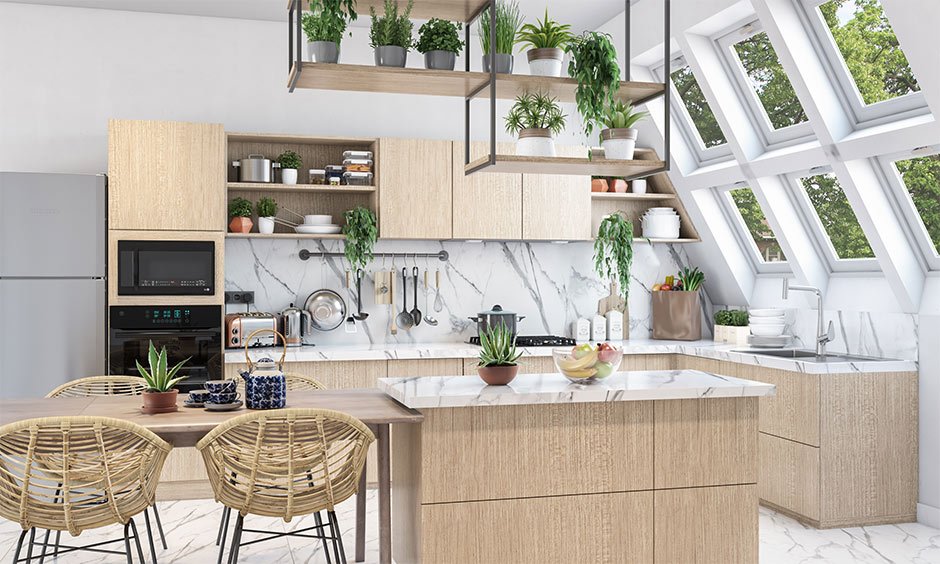
- Choose a mix of plant sizes — tall floor plants, medium tabletop varieties, and trailing hanging plants
- Group plants in clusters rather than scattering single pots for greater visual and psychological impact
- Select air-purifying varieties like snake plant, pothos, or areca palm for added functional benefit
- Place plants near windows and in transitional spaces like hallways and entryways
Real-world tip: Even 3-5 well-placed plants can noticeably shift a room’s atmosphere compared to a completely plant-free space.
(Internal link opportunity: link to a “Best Indoor Plants for Air Purification at Home” article here)
4. Use Natural Materials and Textures
Beyond greenery, incorporating raw, natural materials is central to authentic biophilic design ideas throughout a home.
- Wood furniture and flooring bring warmth and organic texture
- Stone accents — countertops, tiles, or decorative pieces — add grounding elements
- Natural fiber textiles like jute, wool, and cotton replace synthetic alternatives
- Rattan and wicker furniture pieces add both texture and a connection to natural forms
Mixing multiple natural materials, even in small doses, creates a more tactile, sensory-rich environment than synthetic-heavy interiors.
5. Create Views and Connections to the Outdoors
Wherever possible, biophilic design ideas emphasize creating visual and physical connections between indoor and outdoor spaces.
- Arrange seating to face windows or balcony views rather than away from them
- Keep window sightlines clear of clutter or bulky furniture
- Extend indoor flooring materials onto balconies or terraces for visual continuity
- Consider glass doors or large windows in renovation projects to blur indoor-outdoor boundaries
Even apartments without significant outdoor views can benefit from simply prioritizing whatever natural view is available.
(Internal link opportunity: link to a “Balcony Garden Ideas for Small Apartments” article here)
6. Introduce Water Elements
Water is a lesser-used but powerful element among biophilic design ideas, known for its calming, ambient effect.
- Small tabletop fountains add gentle sound without requiring major renovation
- Fish tanks combine visual movement with a living, dynamic element
- Even a simple water feature near an entryway can create a calming transition into the home
- For larger homes, indoor water walls or reflecting pools offer a more dramatic biophilic statement
Tip: The sound of trickling water has been shown to have a measurably calming effect, making small fountains a worthwhile addition to home offices or meditation corners.
7. Mimic Natural Patterns and Shapes
Beyond literal nature, biophilic design ideas also include incorporating natural patterns and organic shapes into design elements.
- Choose furniture and decor with curved, organic silhouettes rather than harsh geometric lines
- Use botanical-print wallpapers or textiles as a subtle nod to nature
- Incorporate natural patterns like wood grain, marble veining, or leaf motifs in decor accents
- Fractal-inspired patterns (found frequently in nature) are known to feel visually restful to the human eye
This approach works especially well for renters or those unable to make structural changes, since it can be achieved entirely through decor choices.
8. Room-by-Room Biophilic Design Application
Applying biophilic design ideas works best when tailored to each room’s specific function and use.
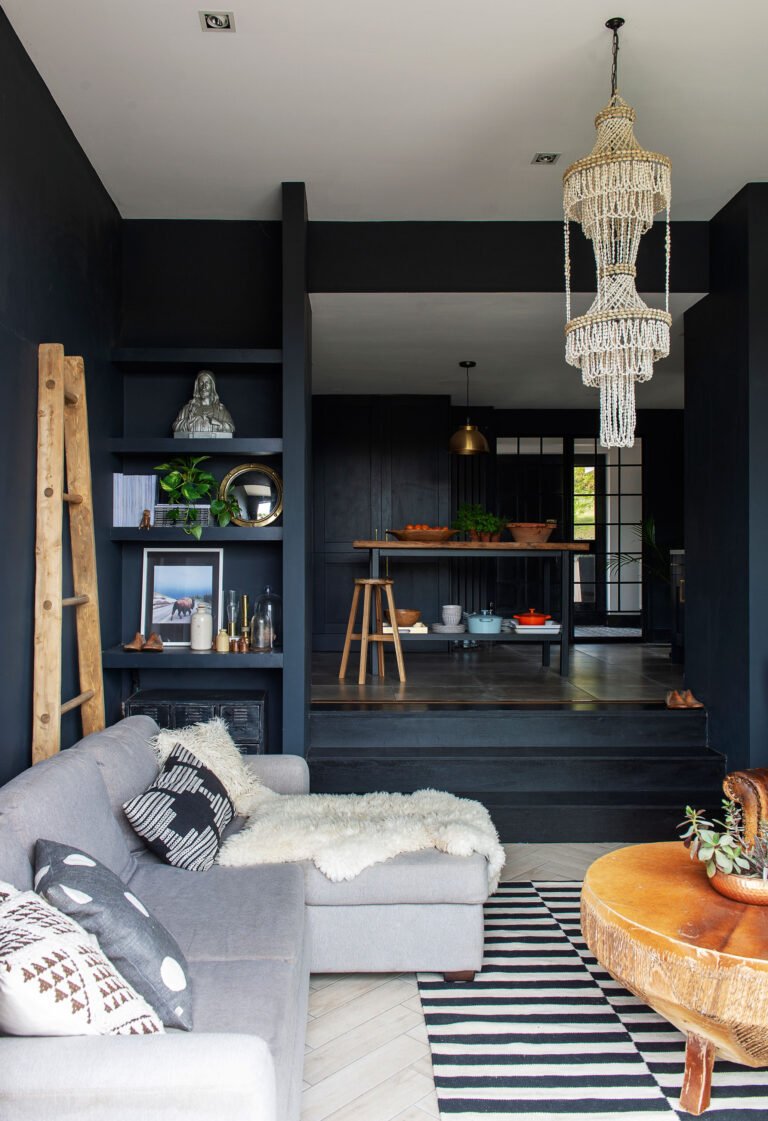
- Living room: Large floor plants, natural wood furniture, and unobstructed window views
- Bedroom: Soft natural textiles, low-light plants like snake plant, and warm, natural lighting
- Kitchen: Herb gardens on windowsills, wooden cutting boards and utensils on display
- Home office: A small fountain or plant cluster near the desk to reduce stress during work hours
- Bathroom: Humidity-loving plants like ferns, paired with natural stone or pebble accents
(Internal link opportunity: link to a “Minimalist Home Decorating Ideas for Small Spaces” article here)
Frequently Asked Questions
1. What is biophilic design in simple terms? It’s a design approach that incorporates natural elements — light, plants, materials, and views — into interiors to improve wellbeing and connection to nature.
2. Can biophilic design work in small apartments? Yes — even small additions like a few plants, natural textiles, and maximizing existing window light can create a meaningful biophilic effect.
3. What are the easiest biophilic design ideas to start with? Adding indoor plants, switching to natural-fiber textiles, and improving natural light access are the simplest and most affordable starting points.
4. Does biophilic design actually reduce stress? Research consistently links exposure to natural elements, plants, and natural light with reduced stress levels and improved focus.
5. What materials are commonly used in biophilic design? Wood, stone, natural fibers like jute and cotton, and rattan are the most commonly used materials in biophilic interiors.
6. Is biophilic design expensive to implement? Not necessarily — many biophilic design ideas, like adding plants or natural textiles, can be achieved affordably without major renovation.
Conclusion
Bringing biophilic design ideas into your home doesn’t require a complete renovation — small, intentional changes like adding plants, maximizing natural light, and choosing organic materials can meaningfully improve both your space and your wellbeing.
Start with one room, focus on a few key elements like greenery and natural textures, and expand gradually as you notice the difference it makes.
Ready to bring more nature into your home? Choose one biophilic idea from this guide and try it in your living space this week.